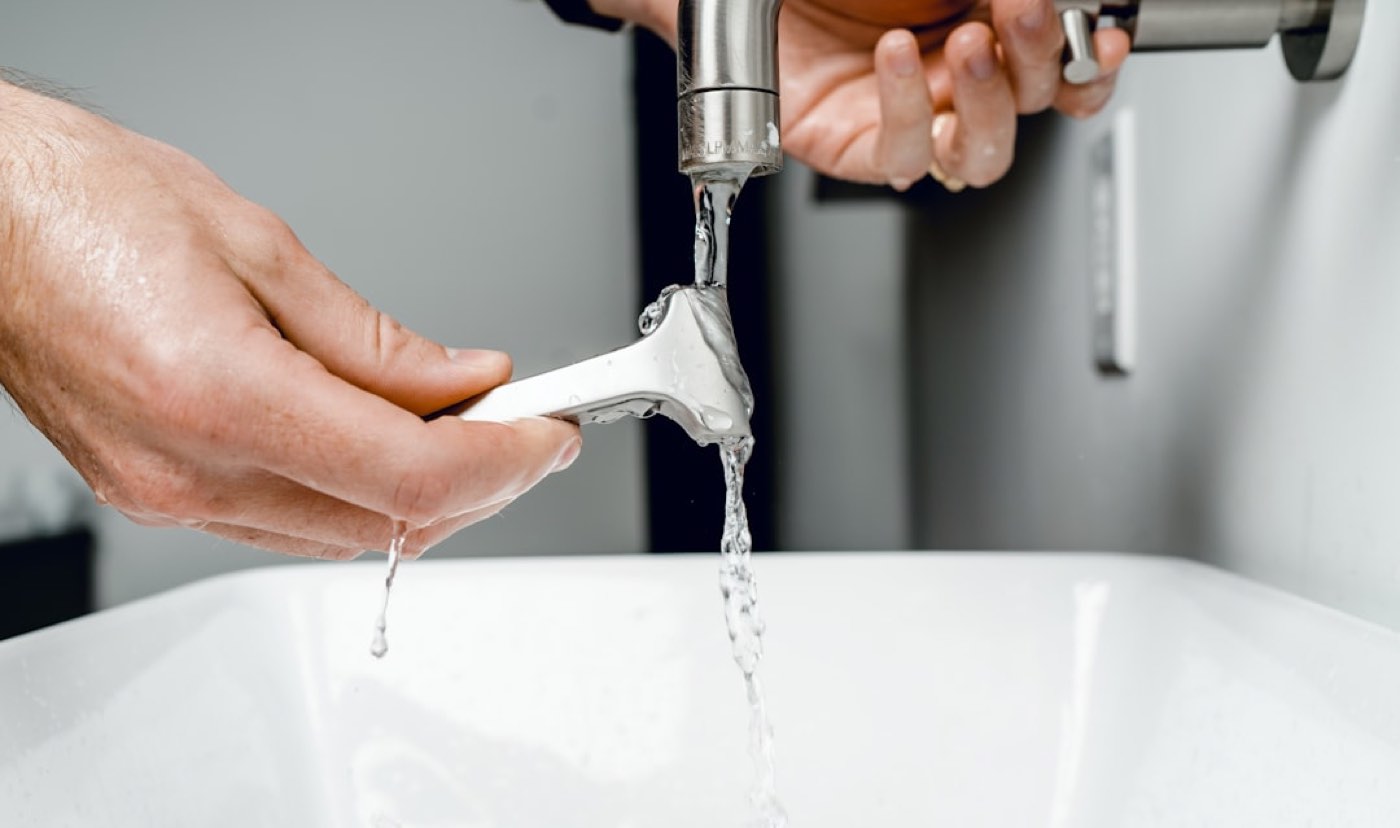
This page helps residents and small businesses in Curepipe identify when to call a plumber, what to expect during an on‑site intervention, which local factors affect work on the plateau, and how to describe the problem so a caller can get a precise callback or quote request.
Plumber in Curepipe: who this page is for
This page targets homeowners, tenants, small shop owners, and managers of small multi‑unit buildings in Curepipe who need residential plumbing help. Typical reasons to look for a plumber include a visible leak, a faulty water heater, slow or blocked drains, and the need to replace taps or sanitary fittings. The content below focuses on common residential and small tertiary situations rather than specialized industrial plumbing.
Filling the request form accurately improves the chance of a focused reply: provide the neighbourhood or street in Curepipe, specify the type of fault, attach clear photos or a short video, and indicate any access constraints. A well‑filled request helps a prospective contractor prepare questions and suggest an appropriate time for an on‑site diagnostic visit.
Why interventions in Curepipe have local specificities
Curepipe sits on the island’s central plateau at an altitude around 561 m, which produces a cooler and more humid local climate than the coastal plain. That climate can influence common domestic plumbing symptoms: for example, increased condensation in poorly ventilated spaces and a different pattern of thermal behaviour for electric water heating systems. Mentioning the plateau location and local climate when describing the problem gives useful context for a first assessment.
The town’s transport nodes and road layout also shape logistics. Curepipe is known as the southern terminus of the Metro Express service, which affects regional access routes and the likely corridors used to deliver tools and spare parts. If large or heavy equipment is needed, note likely restrictions on vehicle access when describing the site. References to public infrastructure and known corridors can explain why delivering materials or scheduling a long intervention may require extra planning.
Typical building stock in Curepipe ranges from older colonial houses to more recent apartment blocks. Older masonry walls, concealed cisterns, or built‑in cupboards can conceal service valves and plumbing runs in non‑standard locations. When a property dates from an earlier construction wave, anticipate that isolating a leak or replacing fittings may need access work such as probing a service chase or temporarily removing finishes. Stating the building type and the suspected location of the fault in Curepipe helps set expectations for the diagnostic step.
The most requested interventions in Curepipe and the usual on‑site flow
The following list covers common residential interventions and describes the practical steps a client is likely to see on site. These sequences focus on what happens rather than on times or fixed prices.
Leak detection and repair
On arrival, the professional usually seeks the main shut‑off valve and verifies any visible leakage point. If the valve is accessible, it may be closed to limit water loss while the problem is assessed. Next comes a targeted inspection to identify the source—pipe joint, fixture, or supply connection. The options presented to the occupant typically include a temporary securing measure to stop immediate damage and a proposal for the permanent repair requiring parts or access work. The occupant should expect explanations of the visible defect and of any recommended access work before any permanent intervention proceeds.
Drain and sewer unblock
Diagnosis begins with confirming the location of the blockage and whether the obstruction is limited to a trap, a branch, or the building’s main drain. Techniques range from manual clearing with a hand auger to line‑cleaning with powered rods; in some cases, camera inspection is proposed to visualise the blockage. The client is informed when a camera is suggested and why a visual inspection helps define whether a local clear suffices or whether further work is necessary.
Water heater inspection, installation, or replacement
For electric water heaters, the on‑site check focuses on electrical safety, visible corrosion, and pipe connections. The assessor explains what will be tested and what minimal safety measures are recommended before use continues. If replacement is under consideration, a diagnostic visit yields a list of required plumbing and electrical adjustments to ensure safe installation; the occupant receives a clear description of those needs so a precise written estimate can be prepared.
Tap and sanitary fixture replacement
Replacement begins with isolating the water to the fitting, removing the old fixture, and checking the condition of supply lines and sealing surfaces. After fitting a new device, a pressure test or leak check is performed and the occupant is shown the repaired area. If the fixture location requires resealing or minor finish work, that will be outlined as an additional step to include in a formal quote.
What makes price and duration vary: concrete factors
Several concrete elements influence whether an intervention stays simple or becomes more involved. These are practical items that an occupant can describe in the request to help refine an initial estimate.
- Accessibility of the affected point: whether the valve, pipe, or fitting is inside a cupboard, behind tiling, or buried under flooring.
- Need for cutting finishes: whether access requires cutting a wall or floor to reach pipes or joints.
- Replacement parts: whether commonly available spare parts suffice or whether a special item must be sourced.
- Complexity of the plumbing network: older mixed systems or hidden networks in multi‑unit buildings that require tracing.
- Requirement for specialized equipment: use of inspection cameras, pumps, or power cleaning tools when blockages are deep or when visual confirmation is required.
- Urgency outside normal hours: interventions requested at non‑standard times can affect availability and logistics.
When these factors are present, an on‑site diagnostic becomes essential. For many issues, a clear photograph showing the affected device and its immediate surroundings plus a short description of observed symptoms allows an initial assessment of likely complexity and whether a diagnostic visit is necessary before a firm quote can be prepared.
For public reference on how to structure cost components without inventing figures, consult the national construction reference known as the National Schedule of Rates. That document can help translate observed tasks into standard cost items for a formal quote prepared after a site visit.
How to describe your need to get a precise callback or quote
Providing focused details in the request form reduces back‑and‑forth and speeds up the diagnostic scheduling process. Key items to include are:
- Precise location within Curepipe: neighbourhood or street name and whether the unit is ground floor or an upper floor.
- Number of storeys and parking or loading constraints that affect vehicle access.
- Clear description of the problem: for example, “visible drip under kitchen sink when taps off,” or “slow drainage in shower since last rainfall.”
- Indications of where the sound or wetness is most noticeable and whether it is continuous or intermittent.
- Attachments: at least one photo or a brief video clip showing the fixture, pipe run, meter, or affected area.
- Availability windows and any restricted access times for the property.
Sample copy for a form field: “Curepipe, Venerable Street area, ground‑floor kitchen. Persistent drip under sink cabinet since last week, visible water stain on baseboard. Photo attached. No dedicated parking; narrow lane access.” Use local neighbourhood names and practical access notes so the responder can plan tools and transport.
If there are original installation documents, previous invoices, or an old schematic of the bathroom or kitchen supply, mention them in the request; they can be decisive when preparing a precise written estimate after diagnostic inspection.
Realistic organisation of an intervention (process overview, no promises)
The typical sequence for a residential plumbing job in Curepipe follows these logical steps: initial contact and information exchange; a first assessment from photos and descriptions; scheduling of a diagnostic visit where a thorough on‑site inspection is done; delivery of a written proposal or options list based on that diagnostic; and scheduling of the agreed works. The exact timing and availability depend on local traffic, seasonality, and parts logistics.
Prepare the site for a visit by making isolating valves and the affected area accessible, clearing furniture or stored items that block access, and, if possible, taking photos of the meter or any service panels in advance. These practical steps help the visiting professional concentrate on the technical diagnostic rather than on clearance work.
Do not expect a fixed deadline or guaranteed duration from an initial contact. Instead, use the diagnostic visit and the written proposal that follows as the basis for any scheduling commitment.
Local FAQ
Should I shut off the water before the professional arrives? If you can safely and quickly reach the main service valve without causing risk, turning off the water can limit damage. If access to the valve is difficult or unknown, mention that in the request so the assessor can advise on first steps.
Does heavy rain or a storm affect access in Curepipe? Some streets on the plateau can be busy or affected by runoff; when a severe weather event is ongoing, note it in the request and clarify whether safe entry to the property is possible. Municipal advisories on road conditions are published by the local council and should be followed for safety.
Does the Municipal Council manage parts of the network? Local public bodies handle certain public works and main distribution networks. For building‑internal issues, the municipal office is typically not responsible; for public sewers or street pipework, the Municipal Council of Curepipe is a relevant contact for public infrastructure matters.
Request a callback or quote — form and privacy note
The request form ideally runs as a short multi‑step flow: first, indicate the Curepipe neighbourhood and a short problem type; second, attach photos or a short video; third, provide access notes and a preferred time slot for a diagnostic visit. The form should include a clear privacy statement describing how attachments and contact data are handled in accordance with applicable rules on data protection.
Disclaimer: this page is informational and does not replace an on‑site diagnostic or an official written quotation. The site publishing this guide is an information resource and not itself a plumbing service provider.
⛔ What we do not know
The following items could not be established for this page and were intentionally left out rather than guessed:
- No fixed or sample price figures for plumbing work in Curepipe are provided here.
- No claim is made about the existence of a mandatory national licence or a uniform fee schedule for plumbers in Mauritius; confirmation requires a specific authoritative source before reporting.
- Numbers of local plumbers, average response times, success rates, or search volumes for the query are not known and are therefore not stated.
- No local company names or telephone contacts are included on this page.
Preparing the requested details and clear images before contacting a professional in Curepipe will make the diagnostic and quoting process more efficient and focused on the actual technical needs of the site.